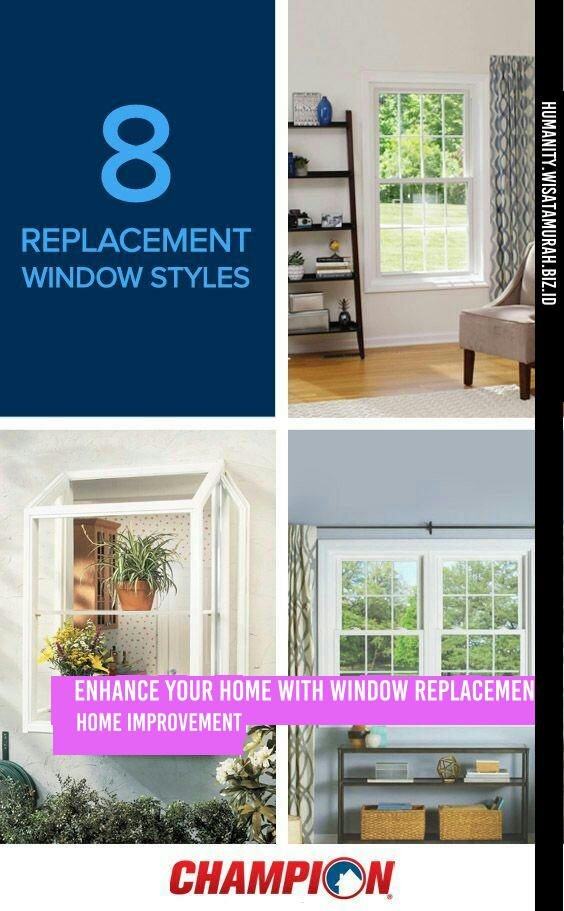
Welcome to our guide on how to boost your home’s energy efficiency and comfort with replacement windows. If you’re planning a home improvement project, windows should be at the top of your list. Outdated or drafty windows not only affect the aesthetics of your home but also lead to higher energy bills and reduced comfort. By replacing them with modern, energy-efficient windows, you can create a stylish living space that saves money and adds value to your property.
Types of Replacement Windows
When considering window replacement, it’s important to explore the different styles available:
Double-Hung Windows – A classic choice with two sashes that open independently for improved ventilation and easy cleaning. Ideal for traditional homes.
Casement Windows – Hinged on one side and opened with a crank, these provide excellent airflow and a tight seal for energy efficiency. Perfect for modern or contemporary spaces.
Sliding Windows – Operate horizontally and offer wide views while saving space. Great for smaller rooms or areas with limited clearance.
Awning Windows – Hinged at the top, these open outward to allow ventilation while keeping rain out. Often paired with larger fixed windows for added style.
Bay and Bow Windows – Large windows that extend outward, creating extra space and panoramic views. Commonly used in living rooms or dining areas for a dramatic effect.
Choosing the right type depends on your home’s architecture, your budget, and your lifestyle needs.
Benefits of Installing New Windows
New windows offer multiple benefits that go far beyond looks:
- Energy Efficiency: Modern windows reduce drafts and heat transfer, lowering energy bills year-round.
- Natural Light: Clearer, larger panes brighten interiors and create a welcoming atmosphere.
- Noise Reduction: Quality insulation blocks outside noise for a more peaceful environment.
- Curb Appeal: Updated styles and finishes enhance your home’s exterior instantly.
- Higher Property Value: Buyers are willing to pay more for homes with durable, energy-efficient windows.
These benefits make replacement windows a smart investment for both present comfort and future resale.
Energy Efficiency and Cost Savings
Old windows are often the biggest culprits for energy loss. Energy-efficient replacements use double or triple panes, low-E coatings, and insulating gas fills to regulate indoor temperatures. This reduces strain on your heating and cooling systems and leads to lower monthly bills. While the upfront cost may seem high, the long-term savings on utilities and the added property value make them a cost-effective upgrade.
Window Materials and Styles to Consider
Choosing the right material is just as important as the style:
- Vinyl: Affordable, durable, and low-maintenance, though less customizable in appearance.
- Wood: Offers timeless charm and excellent insulation but requires more upkeep.
- Aluminum: Strong and sleek, suited for modern designs but less energy efficient.
- Fiberglass: Highly durable, resistant to warping, and energy efficient, though often more expensive.
Pairing the right material with the right style—whether double-hung, casement, or bay windows—ensures both performance and aesthetic appeal.
Choosing the Right Window Replacement Company
Finding the right installer is essential to maximize the benefits of your investment. Look for companies with strong reviews, proper licenses, and insurance. Ask for references and compare multiple quotes to gauge pricing and professionalism. A good company will offer warranties on both materials and labor, giving you peace of mind that your windows will perform well for years.
Conclusion
Replacement windows are a powerful way to upgrade your home. They improve energy efficiency, enhance comfort, reduce noise, and boost your property’s curb appeal and resale value. By choosing the right window type, material, and installer, you can enjoy a stylish and functional upgrade that pays for itself over time. Investing in replacement windows isn’t just a cosmetic change—it’s a long-term improvement for your home and lifestyle.