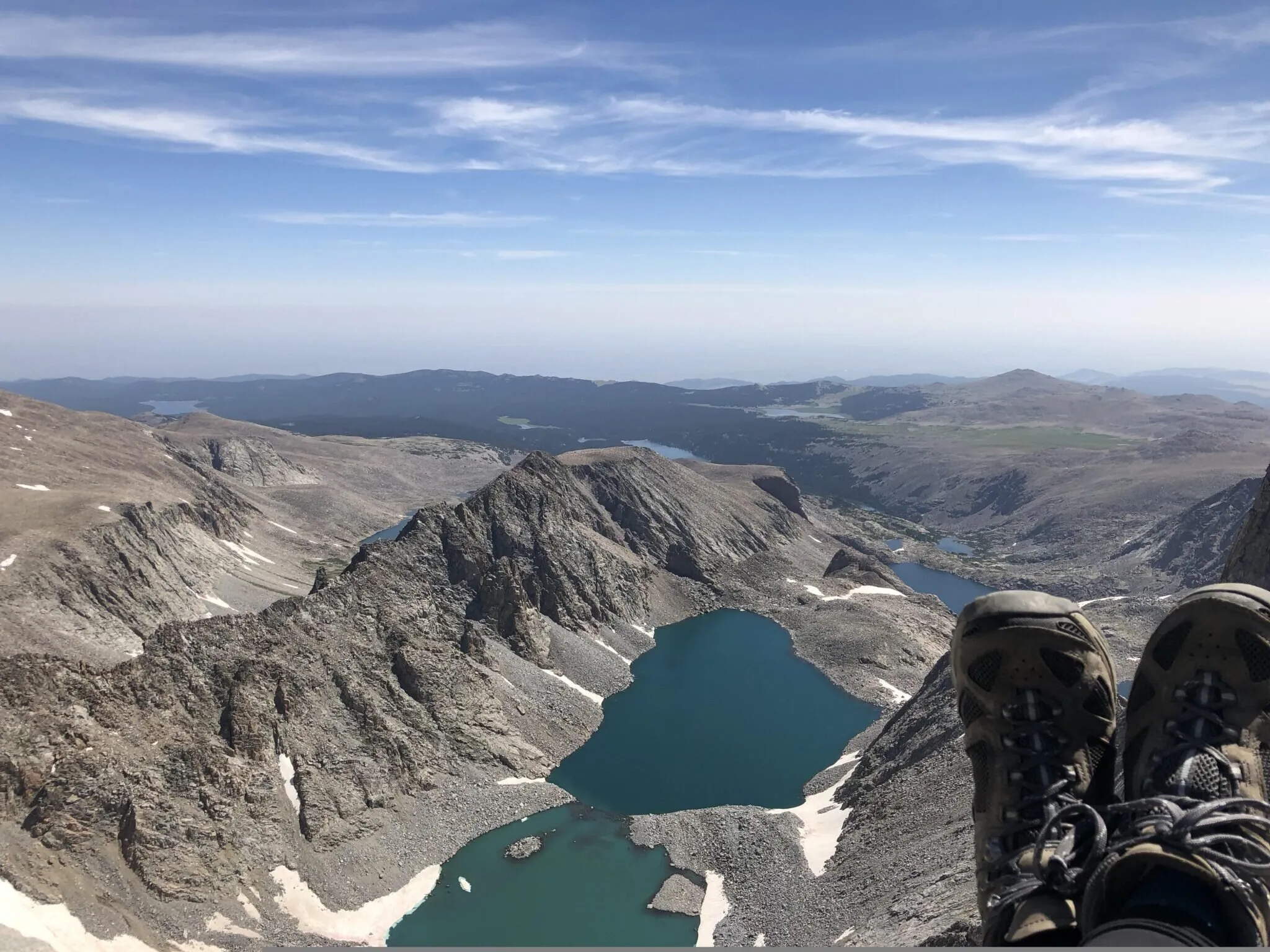
Cloud Peak, standing tall at 13,167 feet, is the highest summit in Wyoming’s Bighorn Mountains and a crown jewel of the Bighorn National Forest. Known for its rugged terrain, pristine alpine lakes, and sweeping views, it has long been a magnet for hikers, climbers, and nature enthusiasts. Whether you’re chasing the thrill of a summit hike or simply want to marvel at its natural beauty, Cloud Peak offers an unforgettable wilderness experience.
Introduction to Cloud Peak
Cloud Peak gets its name from the frequent mist and clouds that linger near its summit, adding a touch of mystery to its presence. Formed from granite and quartzite, its towering cliffs and jagged ridges reflect millions of years of geological history. For generations, this mountain has captivated adventurers and holds cultural significance for Native American tribes such as the Crow and Northern Cheyenne, who consider it a sacred site tied to powerful spirits.
The mountain’s prominence makes it not only a physical challenge but also a spiritual and natural landmark that draws thousands of visitors each year.
Geographic Features of Cloud Peak
The landscape around Cloud Peak is a blend of rugged rock, alpine meadows, and glacial-carved valleys. Its granite walls rise above canyons etched by ice and water, while lush meadows below burst with wildflowers during the summer months. Herds of elk and mule deer often graze in these meadows, while birds of prey like golden eagles soar overhead.
Another striking feature is the glacial cirques. These bowl-shaped valleys, formed during the Ice Age, are scattered with sparkling alpine lakes such as Mistymoon Lake. These high-altitude waters, fed by snowmelt, add to the scenic beauty and serve as resting spots for hikers. From the summit itself, the panorama stretches for miles—on a clear day you can glimpse the distant Rockies to the west.
Flora and Fauna of Cloud Peak
Despite its harsh alpine environment, Cloud Peak is home to a surprising diversity of plant and animal life. Near the summit, hardy alpine plants such as the alpine forget-me-not cling to rocky soils, their delicate flowers a striking contrast to the rugged landscape. Lower down, summer meadows glow with lupine, columbine, and Indian paintbrush, attracting bees, butterflies, and other pollinators.
Wildlife thrives here too. Bighorn sheep, iconic to the mountain, navigate cliffs with ease. Marmots and pikas scurry among rocks, while chipmunks chatter near campsites. Birdwatchers may spot peregrine falcons or the elusive white-tailed ptarmigan blending into snowy slopes. This mix of flora and fauna gives Cloud Peak a rich ecological tapestry that adds depth to the hiking experience.
Recreational Activities on Cloud Peak
Cloud Peak is a playground for outdoor enthusiasts, offering activities that range from peaceful to adrenaline-fueled.
- Hiking: The Cloud Peak Summit Trail is the most popular route, a challenging 20-mile round trip that rewards hikers with breathtaking scenery. Other trails, like the Solitude Trail, weave through forests and alpine lakes.
- Camping: Backpackers often set up camp near lakes such as Mistymoon, enjoying the quiet beauty of star-filled skies.
- Climbing: For experienced adventurers, the granite cliffs offer traditional climbing and mountaineering routes. Weather can be unpredictable, so preparation is essential.
- Fishing: Streams and lakes teem with trout, making Cloud Peak a top spot for anglers.
- Wildlife Watching: Whether it’s spotting elk grazing in meadows or eagles soaring high, wildlife encounters are a highlight for many visitors.
These recreational opportunities make Cloud Peak accessible to both casual adventurers and seasoned explorers.
Conservation Efforts for Cloud Peak
Like many wilderness areas, Cloud Peak faces challenges from human activity and environmental change. Conservation efforts focus on preserving its fragile alpine ecosystems, protecting wildlife, and educating visitors on responsible practices.
Hiking and camping are regulated in sensitive areas to prevent erosion, while Leave No Trace principles are strongly encouraged to minimize human impact. Wildlife corridors are being preserved to help species such as bighorn sheep and elk migrate safely. Additionally, partnerships between government agencies, conservation groups, and local communities support sustainable management of the wilderness.
These efforts ensure that Cloud Peak remains pristine for future generations of hikers, climbers, and nature lovers.
Conclusion
Cloud Peak is more than Wyoming’s highest point—it is a place of beauty, challenge, and cultural significance. Its granite walls, alpine lakes, and sweeping meadows offer something for every adventurer, while its wildlife and flora showcase the resilience of life in harsh environments.
For hikers, it promises a test of endurance; for climbers, a granite playground; for nature lovers, a sanctuary of breathtaking views and vibrant ecosystems. Whether you stand at its summit or simply gaze at it from below, Cloud Peak leaves an impression that lasts long after you’ve left the Bighorns.